
Organize Gardens
That Outlast
Any Single Person
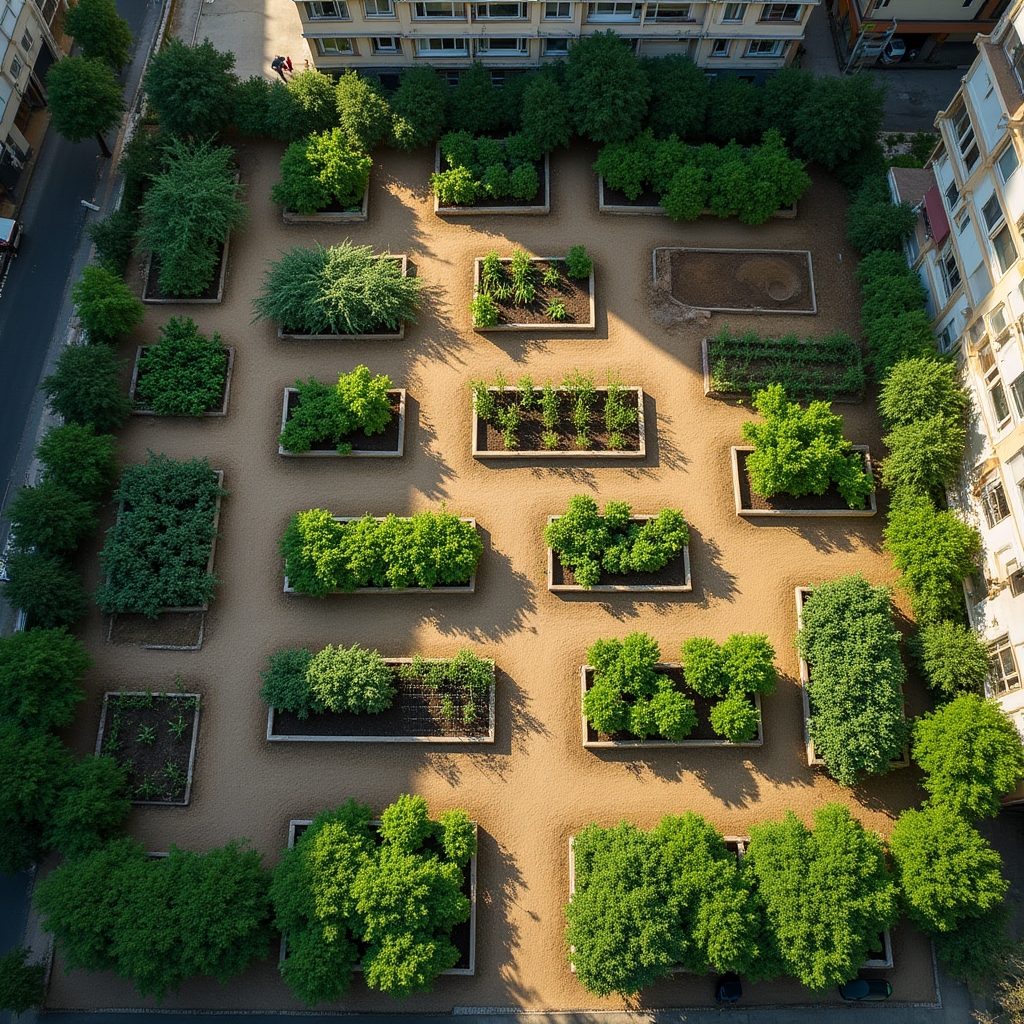
A structured course on building community gardens that function through shared systems, not individual heroics. Learn how to plan space, distribute responsibility, and design participation frameworks that keep urban farming projects alive and growing.
What You Will Learn
The course is structured around four core competencies that together form a complete framework for sustainable community garden management.
Reading and Organizing Physical Space
Every garden site presents a unique puzzle of soil conditions, sun exposure, water access, and traffic patterns. This module covers how to assess a site systematically, map its characteristics, and design a layout that serves multiple users without constant reconfiguration.
You will work with zoning principles adapted from urban planning: separating high-traffic areas from delicate crops, creating clear pathways that accommodate different mobility needs, and building flexibility into the design so the garden can evolve without requiring a complete redesign.
- Site assessment and soil mapping techniques
- Multi-user zone design principles
- Seasonal layout adaptation strategies
- Accessibility and pathway planning

Building Durable Task Systems
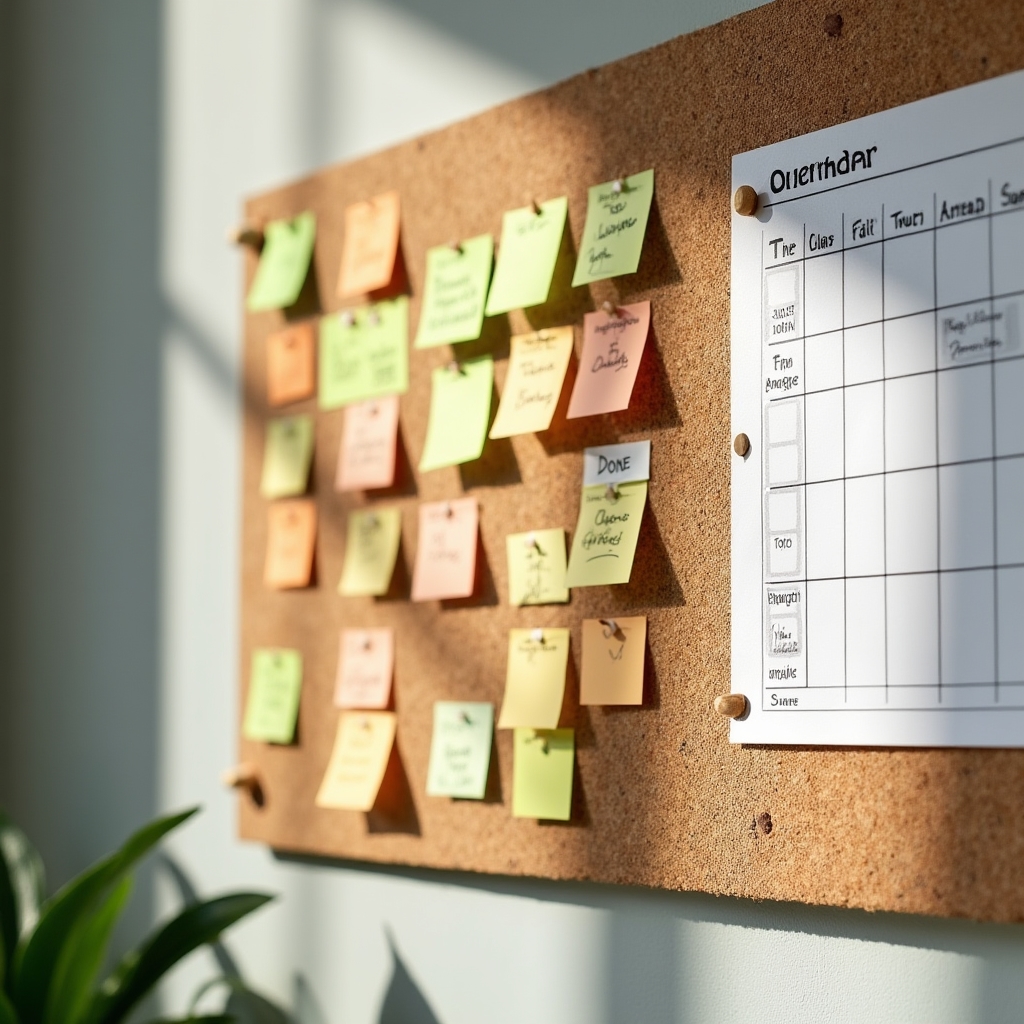
Most community garden breakdowns happen not because people stop caring, but because the task structure was never documented. This module focuses on capturing institutional knowledge, creating role descriptions that can be handed off, and building rotation systems that distribute both the rewarding and the tedious work fairly.
Task distribution also means understanding capacity. Some participants can commit two hours a week; others can give twenty. The frameworks here accommodate variable contribution without creating resentment or dependency.
- Role documentation and handoff protocols
- Variable-commitment task allocation
- Seasonal task calendars and reminders
- Accountability without hierarchy
Structuring Participation Without Hierarchy
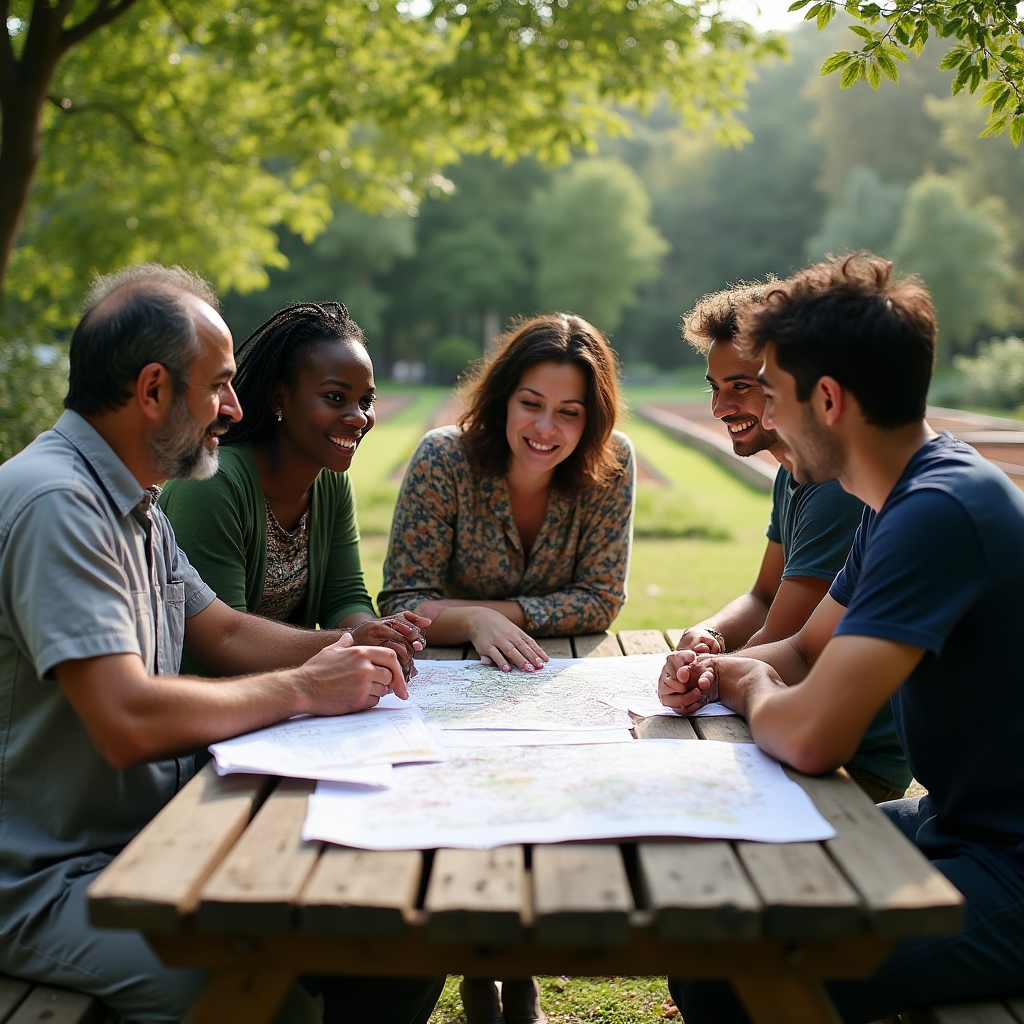
Community gardens attract people with vastly different motivations: some want food, some want community, some want to learn, some want to lead. This module explores how to create structures that channel these different motivations productively without creating gatekeeping or burnout at the top.
Onboarding matters as much as governance. The way new participants are welcomed and oriented shapes whether they become long-term contributors or one-time visitors. The course covers practical onboarding sequences and peer mentoring frameworks.
- Governance models for community spaces
- Onboarding and orientation design
- Conflict resolution frameworks
- Motivational diversity and contribution types
Designing for the Long Term
A garden that depends on one enthusiastic founder is one departure away from collapse. This module addresses the structural patterns that make projects fragile and the design decisions that create resilience. Leadership succession, knowledge transfer, and community memory are treated as engineering problems with practical solutions.
The module also covers how to handle the inevitable slow periods, when participation dips and energy flags. Maintaining a garden through a difficult winter or a community disruption requires different skills than launching it.
- Succession planning and leadership rotation
- Knowledge capture and documentation culture
- Managing low-participation periods
- Adapting to community change over time
From Enrollment to Active Garden
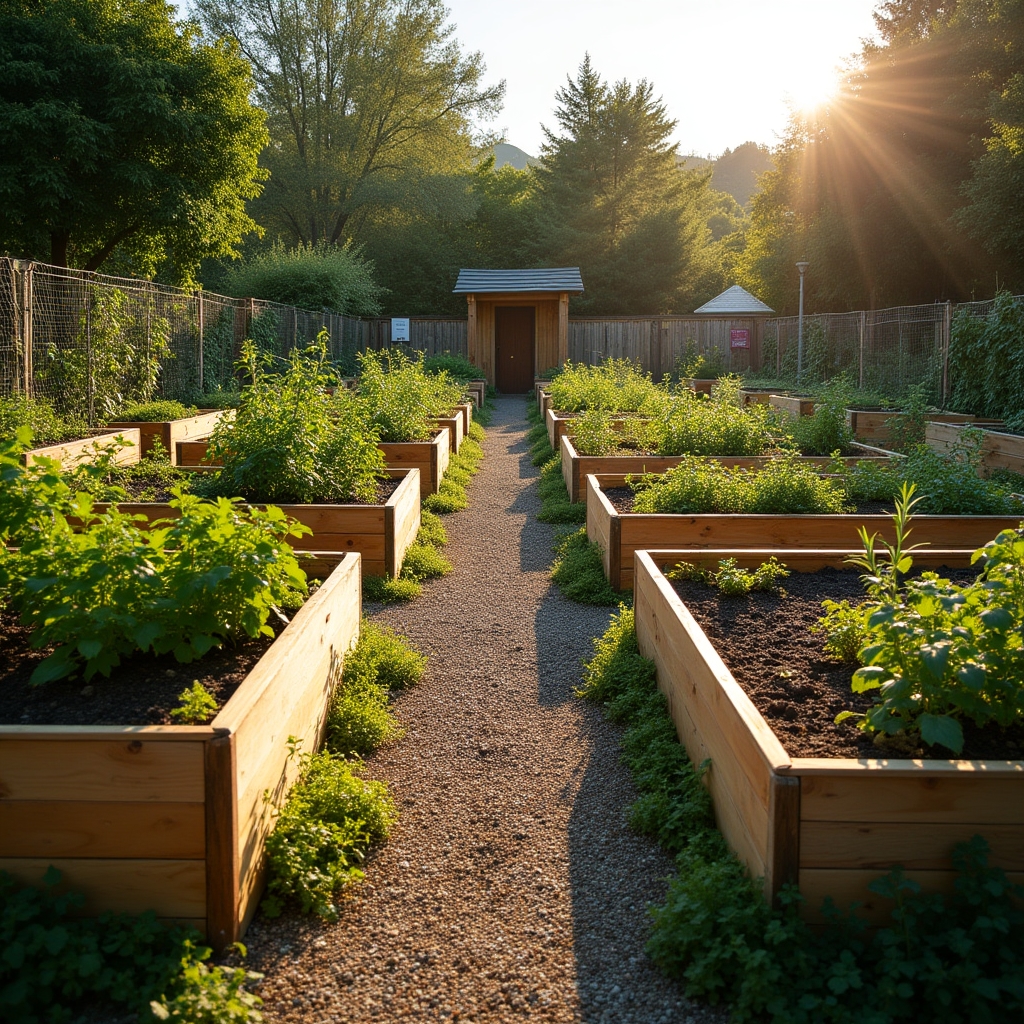
The course follows a progression from understanding your site and community context to building systems that operate independently of any single participant.
Site Assessment
Evaluate the physical space, existing resources, and community context before making any design decisions.
Layout Design
Create a zoned layout that serves multiple users, accommodates different needs, and allows for seasonal adaptation.
Task Architecture
Build documented role systems, rotation schedules, and accountability structures that function without a central coordinator.
Community Structure
Establish governance, onboarding, and conflict resolution systems that allow diverse participants to contribute sustainably.
Resilient Operation
Apply longevity design principles so the garden continues to function through leadership changes, seasonal dips, and community shifts.
Most Community Gardens Fail Not From Neglect, But From Design
The pattern is familiar: an enthusiastic founder launches a garden, carries most of the coordination burden, and eventually burns out or moves on. The garden, which never developed systems independent of that person, quietly collapses.
This course addresses that structural failure directly. The goal is not to make better founders. It is to build gardens that do not need heroes to survive.
Our Values and Principles
Frequently Asked Questions
Who is this course designed for?
The course is relevant for anyone involved in initiating or managing a shared growing space: community organizers, urban planners with a community focus, housing association representatives, school garden coordinators, and individuals who want to start a neighborhood garden with a solid structural foundation from the beginning.
Does the course require prior gardening knowledge?
No. The course focuses on organizational and systems design, not horticultural technique. Basic familiarity with growing plants is helpful for context, but the frameworks and tools taught here apply regardless of your gardening experience level. The emphasis is on how people work together, not what they grow.
Can the frameworks be applied to an existing garden?
The course material is structured to be useful both for new projects and for gardens that are already operating but struggling with coordination, participation retention, or over-dependence on a few key individuals. Retrofit applications are covered with specific guidance on how to introduce new systems without disrupting existing community dynamics.
How is task distribution handled fairly?
The course introduces contribution frameworks that account for different capacity levels. Rather than equal hours, the approach focuses on meaningful contribution at whatever level each participant can sustain. This includes seasonal contribution spikes, skill-based task matching, and transparent tracking systems that communities can adapt to their own culture.
What happens when key participants leave?
Succession is treated as a design problem, not a crisis response. The course covers how to document institutional knowledge continuously, how to structure roles so that any single departure is manageable, and how to build onboarding systems that continuously develop the next generation of knowledgeable participants before they are urgently needed.
Is the course available in Polish?
The primary course materials are in English. Contact us for information about language accessibility options and whether translated or bilingual materials are available for specific modules. We are based in Katowice and work regularly with Polish-speaking communities, so language support is something we take seriously.
Ready to Build Something That Lasts?
Reach out to learn more about the course structure, schedule, and how it applies to your specific community context.